
bedroom vanity with lights
Reading a Dial Bore Gauge A Comprehensive Guide When it comes to precision measurement in mechanical engineering, the dial bore gauge is an essential tool. This handy device is primarily used to measure the internal diameter of holes with great accuracy. Whether you're working in a machine shop, an assembly line, or performing quality control checks, understanding how to read and utilize a dial bore gauge is crucial for ensuring that components meet specified tolerances. In this article, we will discuss the components of the dial bore gauge, how to read it accurately, and some tips for effective measurement. Components of a Dial Bore Gauge A dial bore gauge consists of several key components 1. Measuring Head This is where the actual measurement takes place. It typically has a set of interchangeable tips to accommodate different hole diameters. 2. Extension Rod This connects the measuring head to the dial indicator. It's usually made of a sturdy material that maintains rigidity during measurement. 3. Dial Indicator This component displays the measurement. It has a graduated dial that shows the distance traveled by the measuring head as it is inserted into the bore. 4. Adjustable Contact Points These are the tips that make contact with the inner surface of the bore. They can be adjusted to measure different diameters. 5. Locking Mechanism After taking a measurement, a locking mechanism may be used to retain the reading for easier viewing. Understanding these components is crucial not only for effective measurement but also for proper maintenance of the gauge . How to Read a Dial Bore Gauge Reading a dial bore gauge accurately involves a few systematic steps reading a dial bore gauge 1. Preparation Before taking any measurements, ensure that the gauge is clean and in good working order. If there are any residual oils, dirt, or debris on the measuring tips, clean them thoroughly to avoid inaccurate readings. 2. Setting the Gauge Insert the measuring head into the bore you intend to measure. Move the gauge slowly to avoid damaging the measuring tips. When you reach the point where the tips make contact with the bore's surface, note that the pointer on the dial will move. 3. Taking the Measurement The dial indicator will show a reading based on the movement of the measuring head. Make sure to take the gauge out slowly to avoid bouncing or jarring that might affect the reading. Note that the needle’s position will indicate how much the bore is either above or below the nominal specifications. 4. Interpreting the Reading The dial will typically have gradations, usually in thousandths of an inch or millimeters. Each full rotation of the needle represents a specific measurement increment. Be careful to read the value both from the dial and from any additional markings, if present. Some gauges also have a micrometer feature for more precise readings. 5. Verification After obtaining a measurement, it’s good practice to verify the results by taking multiple readings at different angles and positions within the bore. This helps to account for any irregularities in the hole’s shape. Tips for Effective Measurement - Handle with Care Always handle your gauge delicately to maintain its calibration. Avoid dropping it or exposing it to extreme temperatures, which could affect its accuracy. - Calibration Regularly calibrate your dial bore gauge according to the manufacturer's specifications. This helps ensure consistent and reliable measurements. - Practice If you're new to using a dial bore gauge, practice on known dimensions to build confidence and accuracy in your readings. - Documentation Record each measurement for quality control purposes and future reference. In conclusion, mastering the use of a dial bore gauge is an invaluable skill in any engineering or machining setting. With attention to detail and consistent practice, you can ensure precise measurements that will improve the quality of your work and meet the high standards of professional manufacturing. By following the guidelines laid out in this article, you can confidently wield this essential tool and enhance your technical capabilities.
about
bedroom vanity with lights
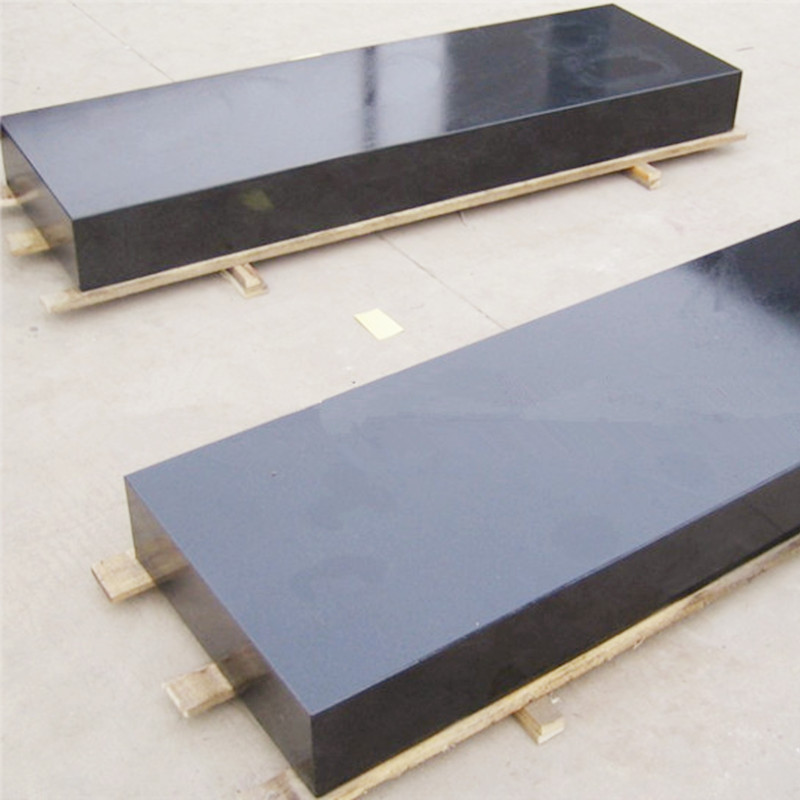
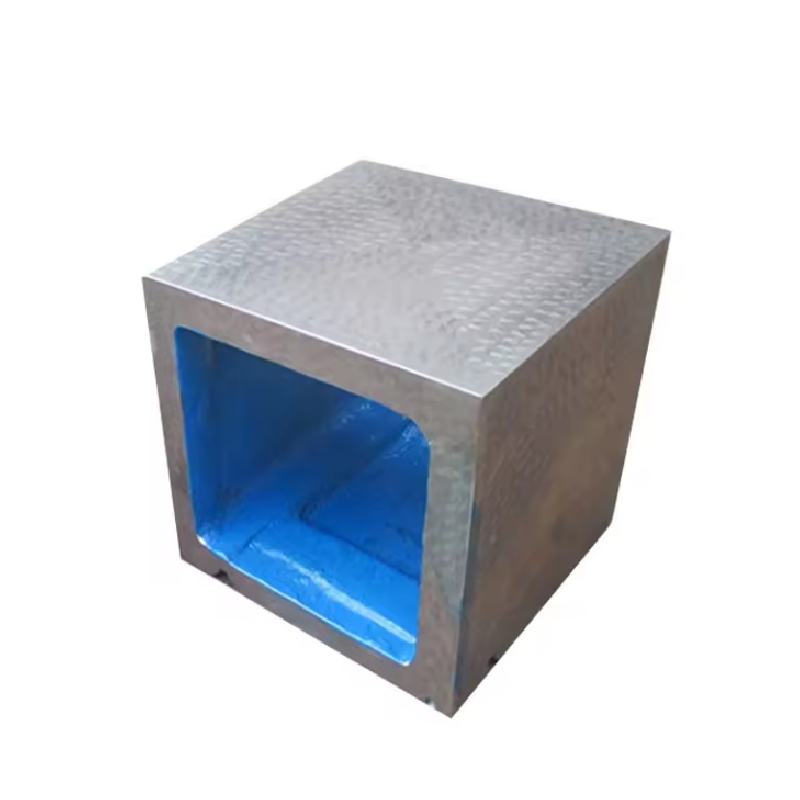
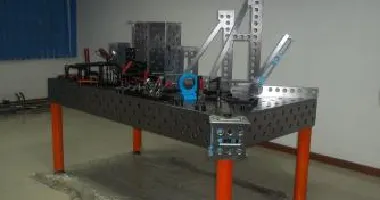
In the demanding realm of metal fabrication and welding, having a reliable and durable work surface is essential for ensuring precision, safety, and efficiency. Storaen (Cangzhou) International Trading Co. offers a comprehensive range of cast iron surface plate solutions designed to meet the rigorous needs of modern workshops. Our products combine robust construction, precision engineering, and user-friendly design to deliver work surfaces that can withstand the harsh conditions of welding and fabrication while maintaining accuracy for inspection and layout tasks. Storaen (Cangzhou) International Trading Co.’s Expertise in Steel Fabrication Tables Storaen (Cangzhou) International Trading Co., based in Botou, China, has established itself as a leading provider of industrial work surfaces and inspection tools. With years of expertise in manufacturing, we specialize in producing steel fab table models that cater to the diverse needs of welding workshops, metal fabrication facilities, and inspection laboratories. Our commitment to quality is evident in every product, from the selection of premium materials like cast iron to the rigorous quality control processes that ensure each cast iron surface plate meets international precision standards. Parameter Value Place of Origin Hebei, China Warranty 1 year Customized support OEM, ODM, OBM Brand Name Storan Model Number 2011 Material cast iron (also HT200 - 300, QT or steel) Accuracy customized Operation Mode customized Item Weight customized Capacity customized Product name Cast Iron Surface Plate Size 200x200 - 4000x8000mm or customizable Hardness of Working Surface HB160 - 240 Foundry process resin sand casting Structure rib (bone) structure with enough wall thickness Painting primer and face paint Precision grade 0 - 3 Working temperature (20±5) °C Packaging plywood box The Robust Design of Cast Iron Surface Plates for Heavy-Duty Use Our cast iron surface plates are engineered with a focus on durability and stability, making them ideal for heavy-duty welding and fabrication tasks. Constructed from high-quality cast iron (HT200-300), these plates undergo heat treatment to relieve internal stresses, ensuring long-term dimensional stability. The ribbed (bone) structure provides additional rigidity, allowing the plates to withstand heavy loads without deforming. The working surface, with a hardness of HB160-240, resists scratches and wear from welding sparks, tools, and heavy metal components, making it a reliable foundation for any fabrication project. Key Features of Steel Fab Table for Welding Applications Storaen’s steel fab table models are tailored to meet the specific needs of welders. These tables feature a flat, precision-machined surface that provides a stable base for positioning and joining metal pieces. The surface is often coated with a protective layer to resist corrosion and withstand the high temperatures generated during welding. Many of our tables include practical features like T-slots or grid patterns, enabling secure clamping of workpieces to enhance safety and precision during welding. The sturdy steel frame ensures the table remains stable even under heavy use, minimizing vibrations that could affect weld quality. Metal Fabrication Table: Versatility for Diverse Fabrication Tasks Our metal fabrication table solutions offer exceptional versatility, catering to a wide range of fabrication tasks beyond welding. These tables can be used for cutting, bending, assembling, and inspecting metal components, making them a central hub in any fabrication workshop. The cast iron surface plate option provides a precision reference for layout work and quality inspection, allowing fabricators to check the accuracy of surfaces and components. With customizable sizes ranging from compact models to large industrial tables, we ensure that each metal fabrication table is tailored to the specific space and workflow requirements of our customers. Steel Fab Table FAQS How does the cast iron surface plate enhance welding precision? The cast iron surface plate from Storaen (Cangzhou) International Trading Co. enhances welding precision by providing a flat, stable reference surface. Its high-quality cast iron construction resists deformation, ensuring that the surface remains flat over time. This flatness is essential for accurately positioning and aligning metal components before welding, reducing errors and improving the overall quality of the finished product. The plate’s natural damping properties also minimize vibrations, further contributing to precise welding and inspection tasks. What makes your steel fab table suitable for heavy welding tasks? Our steel fab table is built to withstand heavy welding tasks thanks to its robust construction. The table’s frame is made from durable steel, while the work surface is crafted from high-strength cast iron or steel, depending on the model. This construction allows the table to bear heavy loads and resist damage from welding sparks and high temperatures. Additionally, the table’s design often includes features like reinforced legs and anti-vibration padding, ensuring stability and safety during even the most demanding welding projects. Can the metal fabrication table be customized for specific workshop needs? Yes, Storaen (Cangzhou) International Trading Co. offers customization for our metal fabrication table solutions. We understand that each workshop has unique requirements, so we provide options to adjust the table’s size, surface type, and additional features. Whether you need a specific dimension, T-slots for clamping, or a specialized coating for heat resistance, our team can tailor the table to meet your exact needs, ensuring it integrates seamlessly into your fabrication workflow. How do you maintain a cast iron surface plate for optimal performance? Maintaining a cast iron surface plate is straightforward to ensure its longevity and performance. Regularly clean the surface with a soft cloth to remove debris and metal shavings. Apply a light layer of protective oil to prevent rust, especially if the plate is not in constant use. Avoid exposing the plate to extreme temperatures or sudden impacts, as this could affect its flatness. Periodic professional scraping or resurfacing may be necessary to maintain precision, depending on the frequency and intensity of use. Are your steel fab tables compatible with welding accessories? Yes, our steel fab tables are designed to be compatible with a wide range of welding accessories. The tables often feature T-slots, holes, or grid patterns that allow for the easy installation of clamps, jigs, and fixtures. This compatibility ensures that you can adapt the table to various welding projects, enhancing productivity and precision. Whether you need to secure a small part for detailed welding or a large component for structural work, our tables provide a versatile platform that works seamlessly with your existing tools and accessories.
-

High quality industrial productsagement

High quality industrial products
View Details -

Meet the diverse needs of customers

Meet the diverse needs of customers
View Details -

Strict quality control

Strict quality control
View Details -

Top raw materials

Top raw materials
View Details -

Trusted supplier

Trusted supplier
View Details
Our application


news and information
Wholesale Level Insights for Effective Business Strategies and Market Growth
Understanding Level Wholesale A Comprehensive Overview In the ever-evolving landscape of retail and
Valvole a farfalla da 14% per applicazioni industriali e soluzioni innovative.
14 gate valve .
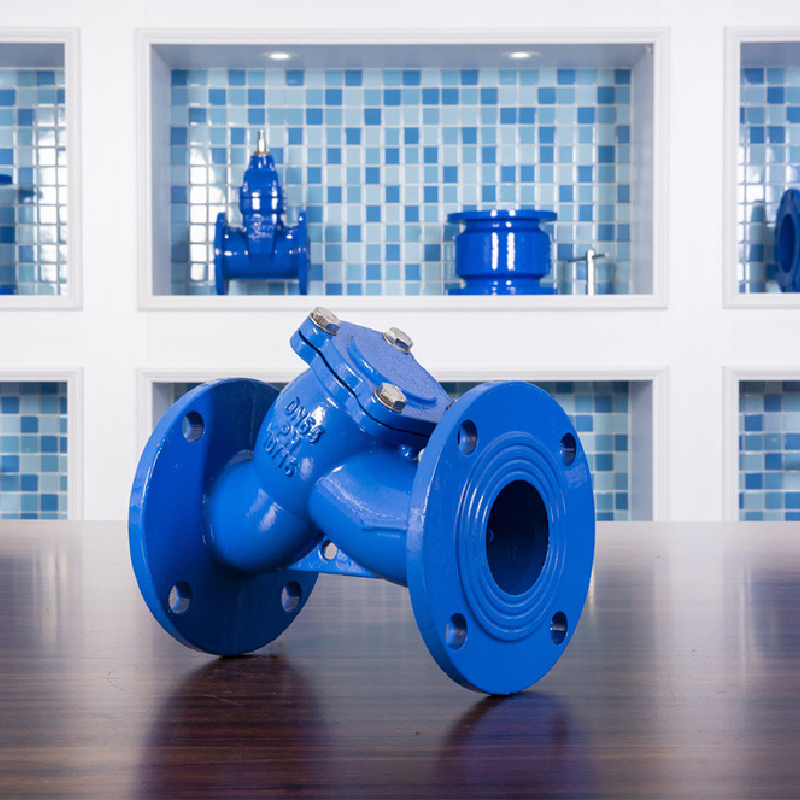
Water Flow Control Valve for Efficient Shut-off Solutions
Understanding Water Shut-off Valves A Guide Water shut-off valves are an essential component in plum
 English